

When to Remove Popcorn Ceilings
Popcorn ceilings are not always a problem, but they are not always worth keeping either. The right decision depends on the age of the home, the condition of the ceiling, whether you plan to sell soon, and whether the texture may contain asbestos.
For some homeowners, removal is the clear move because the ceiling looks outdated, traps dust, reduces light quality, or hurts resale appeal. For others, removal is not the best first step, especially if the texture is intact, the budget is tight, or asbestos may be part of the material history.
This guide explains when popcorn ceiling removal makes sense, when leaving it alone may be smarter, and when covering it may be the better path.
Is Your Popcorn Ceiling Holding Back Your Home?
H2: Is Your Popcorn Ceiling Holding Back Your Home?
A popcorn ceiling can hold a room back in several ways.
The first is visual. In many homes, it makes the ceiling look older, heavier, and less finished. The second is practical. The rough texture can hold dust and make cleaning more difficult. The third is technical. If the ceiling is old enough, asbestos may need to be considered before anything is scraped or disturbed.
That does not mean every popcorn ceiling needs to come down right away. It does mean the decision should be based on condition, safety, finish goals, and what you want the room to look like when the project is done.
If the ceiling update is part of a broader refresh, it also helps to compare the timing and cost with your interior painting cost guide
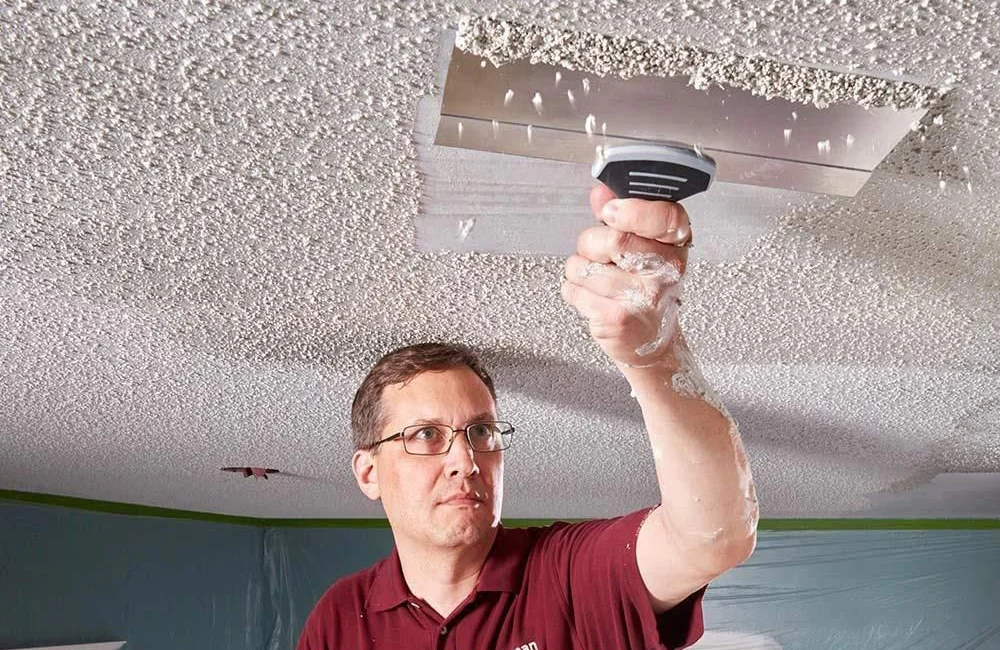
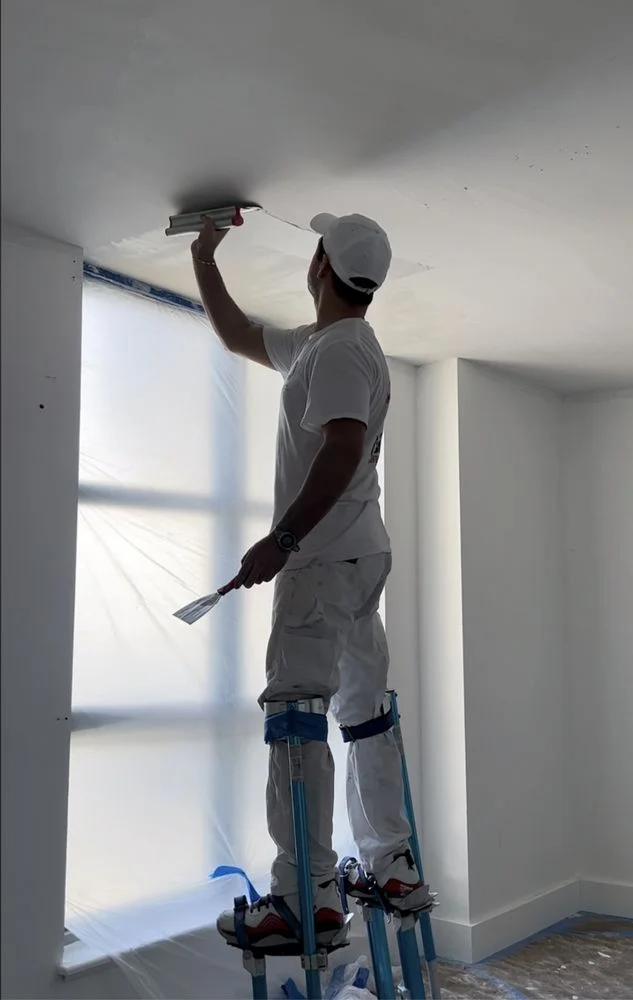
What Are Popcorn Ceilings and Why Were They Used?
Popcorn ceilings became popular because they were cheap, fast to apply, and good at hiding imperfections. Builders used them heavily because the texture made ceilings look finished without the cost of a smoother surface.
They also had a practical side. The texture helped soften sound slightly and made it easier to finish large ceilings quickly in homes, condos, and apartments.
That made sense at the time. The issue now is that popcorn ceilings often feel dated in modern interiors. They can complicate repairs, hold dust, and create concern in older homes where asbestos may still need to be ruled out.
So the real question is not just what popcorn ceilings are. The real question is whether they still work for the room you have now.
Top Reasons to Remove Popcorn Ceilings
Reason 1: Possible Asbestos Risk
This is the first reason to slow down and think carefully.
If the ceiling was installed in an older home, especially one tied to earlier building eras, removal decisions should start with caution. That does not mean every old popcorn ceiling contains asbestos. It does mean testing may be the right first step before the texture is disturbed.
This is especially important when the project is not just cosmetic. If you are planning to scrape, sand, repair, or rework the ceiling, the age of the material matters.
Reason 2: Outdated Appearance
Popcorn ceilings often make a room look older than it really is. They interrupt light, reduce visual sharpness, and can make an updated room feel unfinished.
This becomes more obvious when the walls, trim, and lighting have already been improved. A modern room with an old textured ceiling often feels visually split between two different eras.
That is one reason removal is often part of a more complete finish upgrade.
Reason 3: Dust and Allergen Buildup
The rough surface can hold dust more easily than a smooth ceiling. That does not automatically make it a health hazard, but it can make cleaning more difficult and make the room feel dirtier over time.
This is one reason many homeowners remove popcorn ceilings during broader interior updates, especially in older homes and condos.
Reason 4: Better Lighting and Cleaner Ceiling Lines
A smooth ceiling usually reflects light more cleanly than a textured one. Popcorn texture can create shadows that make the room feel darker or less polished.
Once the texture is removed and the ceiling is properly finished, the room often looks brighter and more refined even before any other changes are made.
Reason 5: Easier Repairs and Repainting Later
Smooth ceilings are easier to patch, prime, and repaint. Popcorn texture makes repairs harder because matching the pattern is more difficult and patch areas often stand out.
That means removal can make future maintenance easier, even if resale is not the main reason for doing it now.
Reason 6: Better Resale Positioning
Many buyers still see popcorn ceilings as an older feature they will eventually have to address. Even when removal does not create a dramatic price jump by itself, it can make the home feel more updated and easier to market.
That matters most when the rest of the interior already looks modern. In that situation, the ceiling becomes more noticeable, not less.
When Not to Remove Popcorn Ceilings
Removal is not always the best answer.
In some situations, keeping the ceiling in place or covering it may be the smarter move. That is especially true when:
- the texture is intact and not being disturbed
- the ceiling may be old enough to require testing first
- the budget is limited
- the room is not a priority
- the property is a rental and the goal is function, not a full finish upgrade
This is why “always remove it” is not expert advice. Sometimes the better move is to test first, wait, or use a lower-disturbance solution until a larger renovation makes more sense.
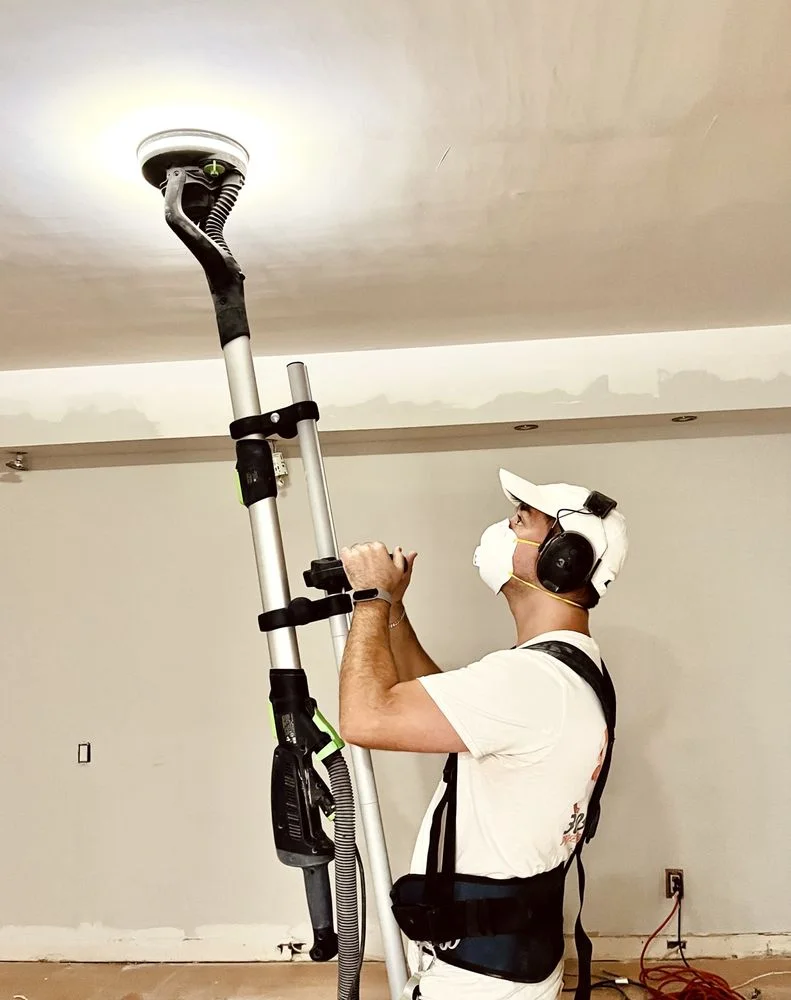
Covering vs. Removing: Which Makes More Sense?
For some homeowners, the real choice is not keep versus remove. It is cover versus remove.
A covering method, such as drywall overlay or another finish system, may make sense when the ceiling is older, the texture is intact, and the homeowner wants a cleaner look without the full mess of removal. Removal makes more sense when the goal is a smooth modern finish, easier future maintenance, or a cleaner long-term ceiling system.
| Method | Typical Cost Tendency | Mess Level | Good Fit |
|---|---|---|---|
| Removal | Higher labor, more cleanup | High | Best for full modernization |
| Covering | Often moderate | Lower | Best when removal is not ideal |
Removal usually gives the cleaner long-term result. Covering can reduce disruption and may be the smarter short-term choice in some older homes.
If the ceiling will need smoothing after the texture comes off, skim coating and plastering may be part of the next step.
Popcorn Ceiling Decision Framework
This is the fastest way to think through the choice.
Remove Now if Most of These Are True
- the ceiling looks dated and hurts the room visually
- you are already repainting or renovating
- the texture is damaged or patchy
- you want a smooth, modern ceiling finish
- you are preparing the home for sale
- asbestos has already been ruled out or properly addressed
Wait or Test First if Most of These Are True
- the home is older and the ceiling history is unclear
- the texture is intact and not damaged
- you are not planning to disturb the ceiling yet
- the budget is tight
- the room is not a priority right now
Consider Covering if Most of These Are True
- you want a cleaner look with less mess
- the ceiling is older and you want a lower-disturbance option
- the room needs visual improvement more than a full finish rebuild
- you may renovate more fully later
That is the real decision path. The best answer depends less on trend alone and more on condition, age, finish goals, and whether removal fits the broader project.
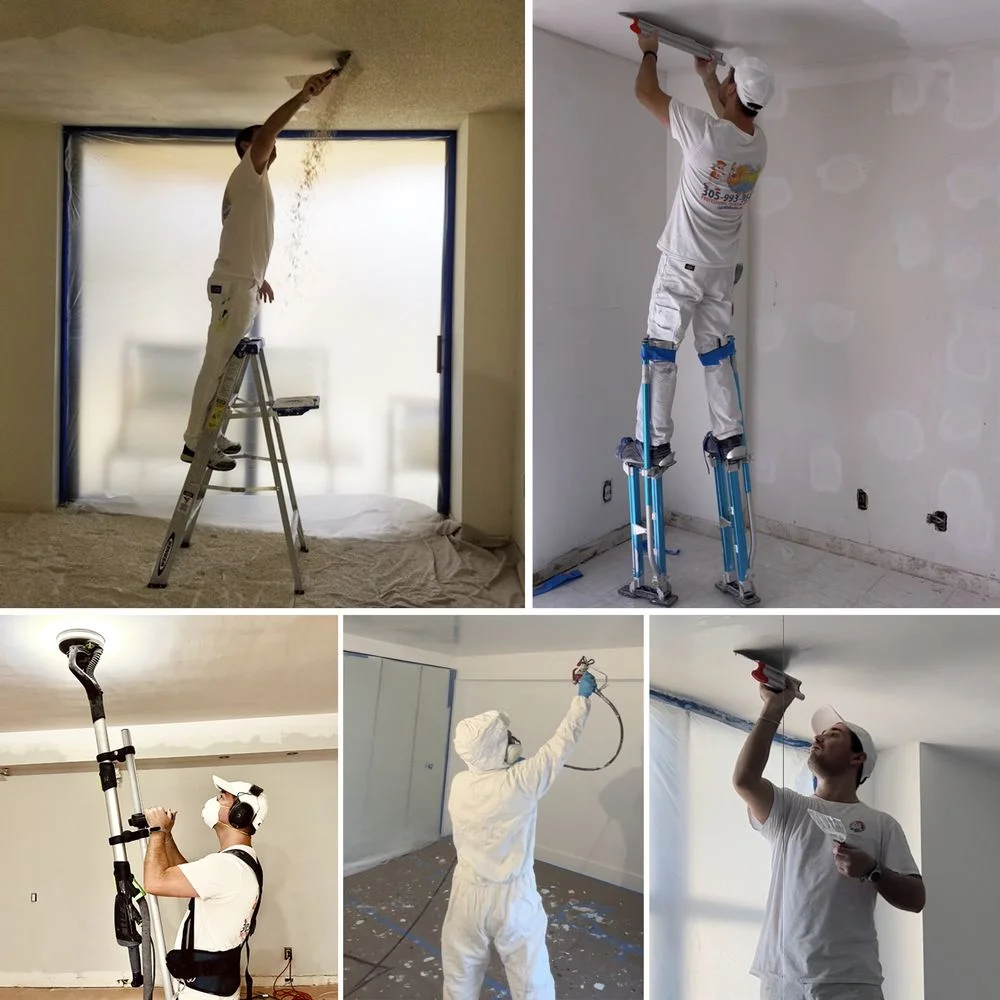
How to Test and Safely Remove a Popcorn Ceiling
The order of steps matters.
Step 1: Check the age of the home and the likely history of the ceiling if possible.
Step 2: If the age raises concern, get the material tested before disturbing it.
Step 3: If the ceiling is safe to remove, protect the room fully before work begins.
Step 4: Use the correct removal method for the ceiling condition, especially if the texture is painted.
Step 5: Smooth, repair, prime, and repaint the ceiling after removal.
This is one reason many homeowners choose professional help. Removal is messy even in the best case. Once ceiling damage, old materials, or finish correction becomes part of the project, it becomes more than simple scraping.
If your next step includes surface correction, compare skim coating vs plastering before you decide what the ceiling needs after the texture comes off.
2026 Home-Finish Trends and What They Mean for Popcorn Ceilings
The direction is clear. Smoother ceilings, cleaner light reflection, and more modern finish lines continue to define updated interiors.
That does not mean every homeowner needs to chase trends. It does mean that popcorn ceilings stand out more when the rest of the room has already been improved. A fresh wall color, better trim, new lighting, or a staged listing often makes the texture feel even older by contrast.
So the question in 2026 is not whether popcorn ceilings are still technically common in older homes. The question is whether they still match the finish standard you want for the room.
In many cases, they do not.
Frequently Asked Questions
Should I remove my popcorn ceiling?
You should consider removal when the ceiling looks dated, traps dust, hurts the room visually, or is already part of a larger update. If the ceiling is old enough to raise concern, testing should come first.
Is popcorn ceiling outdated?
In most updated interiors, yes. It is widely seen as an older finish that can make the room feel less modern and less polished.
Does removing popcorn ceilings increase home value?
It can improve marketability and make the home feel more current. The exact return depends on the market and the overall condition of the property.
What if the popcorn ceiling has asbestos?
Do not disturb it until the material has been tested and the right handling plan is clear. That is the safest first step.
Can I cover a popcorn ceiling instead of removing it?
Yes. In some cases, covering the ceiling can make more sense than full removal, especially when the texture is intact and the goal is visual improvement with less disruption.
What happens after popcorn ceiling removal?
Most ceilings need smoothing, patching, priming, and painting after the texture is removed. Some also need a skim coat for the cleanest final finish.
Need Help Deciding What to Do Next?
If your ceiling needs testing, smoothing, or a cleaner finish plan, the next step is matching the decision to the real condition of the room. You can review our popcorn ceiling removal service, compare finish prep through skim coating vs plastering, or use the interior painting cost guide if the ceiling update is part of a larger repaint.