
Skim Coating vs Plastering: Which One Should You Use?
If you are comparing skim coating vs plastering, the short answer is this: a skim coat is a thin finishing layer used to smooth an existing wall or ceiling, while plastering is a thicker wall-finishing method used to build, repair, or restore a surface.
That simple answer helps, but it does not solve the real decision. The best choice depends on the wall condition, the surface underneath, and the finish you want when the project is done.
If your wall is mostly sound and you want it smoother before paint, skim coating is usually the better fit. If the wall is damaged, uneven, or needs more build-up, plastering is often the better choice.
This guide explains the difference between skim coat and plaster, when to use each one, how they compare on drywall, and which option makes more sense for common wall problems.
What Is the Difference Between Skim Coat and Plaster?
The main difference is the job each one is meant to do.
A skim coat is a thin finishing layer applied over an existing wall or ceiling to improve smoothness and appearance. It is mainly used when the surface is already stable but needs cosmetic improvement.
Plastering is a thicker process used to build, repair, restore, or coat a surface. It is often used when the wall needs more than surface smoothing.
A simple way to think about it is this:
- skim coating improves the face of the wall
- plastering repairs or builds the wall surface more deeply
- both can lead to a smooth result, but they do not solve the same problem
This is why homeowners often confuse them. They can look similar at the finish stage, but they are not the same step in the process.
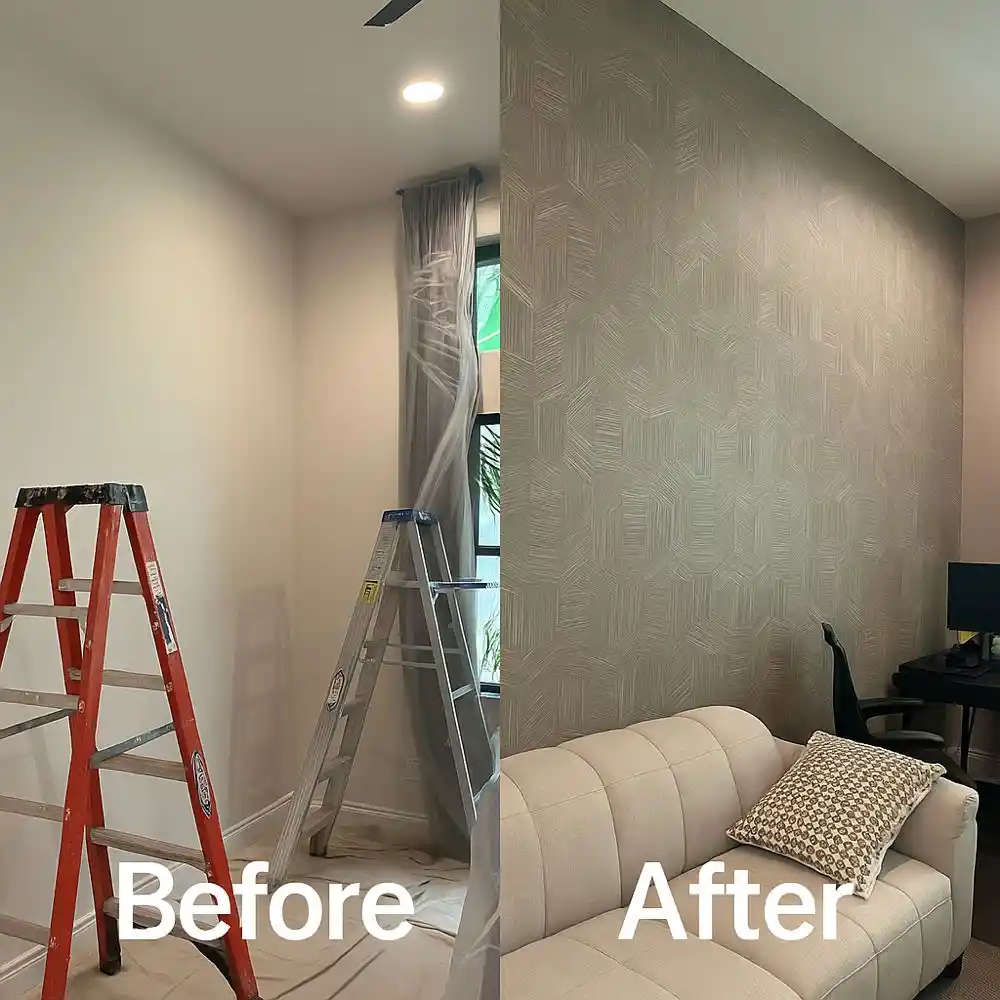
Skim Coating vs Plastering: Quick Comparison
| Feature | Skim Coat | Plaster |
|---|---|---|
| Main purpose | Smooth existing walls | Build or repair wall surfaces |
| Thickness | Thin | Thicker |
| Best for | Refinishing drywall or old plaster | New walls, damaged walls, or deeper repair |
| Finish | Very smooth | Smooth or textured, depending on method |
| Typical use | Final finishing before paint | Base coat or full wall finish |
If the wall is already mostly stable and you want a better finish, skim coating usually makes more sense. If the wall needs heavier repair or more surface build-up, plastering is usually the better path.
What Is a Skim Coat?Popcorn Ceiling Removal in South Florida
A skim coat is a thin layer of finishing material applied over an existing wall or ceiling to create a smoother, cleaner surface. It is often used over drywall, patchwork, old painted walls, or stable older plaster that no longer looks good.
In practical terms, skim coating is a refinement step. It does not usually rebuild the wall. It improves the wall that is already there.
Homeowners often use skim coating when they want to:
- smooth out patch marks
- reduce light texture
- improve walls before painting
- refresh old plaster without full reconstruction
- create a cleaner, more modern finish
Skim coating is especially useful when appearance is the main issue. If the wall is structurally fine but visibly imperfect, a skim coat can make a major difference without turning the project into a full wall rebuild.
This is also why skim coating is commonly tied to interior painting. A high-quality paint finish looks much better when the surface underneath is flat, even, and properly prepared.
What Is Plastering?
Plastering is a thicker wall-finishing process used to coat, repair, build up, or restore a surface. It is often used on masonry, damaged walls, repaired sections, or surfaces that need more material than a thin skim coat can provide.
Where skim coating is mainly about refinement, plastering can be about correction and reconstruction.
Plastering is often the better fit when:
- the wall is more uneven
- the surface is damaged
- old plaster is failing
- the substrate is masonry or block
- the project needs more depth than a thin finishing layer can provide
That is the key difference. Plastering is not just a smoother finish. In many cases, it is the heavier repair step that makes a smoother finish possible later.
For homeowners, the easiest way to understand plastering is this: it is usually the stronger solution when the wall condition is poor enough that smoothing alone will not solve the real problem.

When Should You Use a Skim Coat?
A skim coat is usually the right choice when the wall is mostly sound but does not look good enough for the final finish you want.
That includes situations like:
- minor dents, patch marks, or uneven repairs
- visible drywall seams
- light wall texture
- old painted surfaces with surface flaws
- stable plaster that looks worn or dated
- walls that need a smoother look before painting
This is the better option when appearance is the main goal.
A skim coat makes sense when you do not need to rebuild the wall. You just need to improve it. That is why skim coating is so common before repainting a room, upgrading a condo interior, or modernizing an older space with visible wall imperfections.
It is also one of the best options when you want a premium paint-ready finish. Smoother walls make paint look cleaner, lighting look sharper, and the whole room feel more polished.
If the wall is in decent condition and your goal is visual improvement, a skim coat is often the most efficient solution.
When Is Plastering the Better Choice?
Plastering is usually the better choice when the wall needs more than a surface-level improvement.
That includes situations like:
- deeper surface damage
- uneven wall areas
- failing old plaster
- missing or broken sections
- masonry surfaces that need coating
- walls that need more build-up before the finish stage
This is where plastering separates itself from skim coating.
If the wall is unstable, badly cracked, or missing material, a skim coat alone may not solve the real problem. The wall may first need deeper correction before any finish layer makes sense.
Plastering is also more appropriate when the project involves old wall systems, masonry, or repairs that require thickness and strength rather than just refinement.
So if the wall condition is poor, plastering is often the smarter move. If the wall condition is good and the finish is the real issue, skim coating usually makes more sense.
Plaster vs Skim Coat Drywall: Which Works Better?
Standard pricing usually assumes ceilings around 8 to 9 feet high.
Once the ceiling goes above that range, the work becomes slower and often requires more equipment. Taller ladders, scaffolding, or lifts may be needed, and that can add about $1 to $3 per square foot to the price.
This matters in South Florida because many older homes, updated living rooms, and open interior spaces have ceilings in the 10- to 12-foot range. Even when the room is not large, extra height can change the labor enough to affect the final quote.

Which Is Better: Skim Coating or Plastering?
Neither one is better in every situation.
A skim coat is better when:
- the wall is mostly sound
- the goal is a smooth finish
- the main problem is visual imperfection
- the project is finish-focused
Plastering is better when:
- the wall needs thicker repair
- the surface is more damaged
- the substrate is masonry or old plaster
- the project needs rebuilding, not just smoothing
If your goal is a premium smooth finish before paint, skim coating is often the better option.
If the wall needs more structure, more correction, or deeper repair, plastering is usually the better choice.
So the better question is not “which one is best overall?” The better question is “what condition is the wall in, and what finish do I want when the project is done?”
How Finish Quality and Cost Compare
From a finish standpoint, skim coating often gives the smoother, more paint-ready result on walls that are already in decent condition. That is why it is commonly chosen for finish upgrades, visual refinement, and premium repaint preparation.
From a cost standpoint, skim coating is often lower when the wall only needs refinement. It usually uses less material and less labor than a thicker plastering process.
Plastering usually costs more when the wall needs:
- more build-up
- more repair
- more material
- more time to shape and correct
A simple comparison looks like this:
| Option | Cost Tendency | Typical Goal |
|---|---|---|
| Skim coat | Lower for refinement | Smooth and improve sound walls |
| Plaster | Higher for deeper repair | Build, restore, or repair wall surfaces |
The final finish still depends on prep quality, application quality, and the condition of the wall underneath. The term alone does not guarantee a better result. Good prep matters more than labels.
If you are comparing this decision as part of a larger wall or ceiling project, our interior painting cost guide, exterior painting cost guide, and popcorn ceiling removal cost may also help you plan the full scope.
Frequently Asked Questions
What is the difference between skim coating and plastering?
Skim coating is a thin finishing layer used to smooth an existing wall or ceiling. Plastering is a thicker wall-finishing process used to build, repair, or coat a surface.
Is skim coating the same as plaster?
No. They are related, but they are not the same job. Skim coating is usually about finishing, while plastering often involves deeper repair or more surface build-up.
Can you skim coat over drywall?
Yes. Drywall is one of the most common surfaces for skim coating when the goal is a smoother finish before painting.
Can you skim coat over old plaster?
Yes, if the old plaster is still stable enough. If the plaster is failing or badly damaged, repair work may need to happen first.
When should I use plaster instead of skim coat?
Use plaster when the wall needs more than smoothing, such as deeper repair, restoration, or coating over masonry or more damaged surfaces.
Which gives a smoother finish?
In most finish-focused situations, skim coating is the better path to a very smooth paint-ready surface.
Is skim coating cheaper than plastering?
Often, yes, when the wall is already in decent condition. Plastering usually costs more when it involves thicker repair or more material.
What is best for cracked or uneven walls?
That depends on how serious the damage is. Minor imperfections may only need skim coating. Larger cracks, failing plaster, or unstable walls often need deeper repair first.
Need Wall Prep or Finishing Help?
If your walls need smoothing, repair, or a cleaner finish before painting, the next step is matching the right method to the actual wall condition. You can learn more about our skim coating and plastering service, review our interior painting page, or compare project budgeting with the interior painting cost guide.