Custom Murals vs Wallpaper for Feature Walls
A custom mural and a wallpaper feature wall can both change the look of a room, but they do not solve the same design problem in the same way.
A mural is usually more custom, more statement-driven, and more tied to one specific wall. Wallpaper is usually more pattern-based, more repeatable, and easier to scale across a room or across multiple spaces.
That is why this decision is not just about what looks better in a photo. It is also about cost, durability, installation, maintenance, and how long you want the design to stay in place.
If you are trying to decide between a mural and wallpaper for a feature wall, this guide will help you compare both options clearly and choose the one that fits your room, your budget, and your long-term goals.
Custom Murals vs Wallpaper Explained
What a Custom Mural Is
A custom mural is a wall design created for one specific space. It may be hand-painted directly on the wall or designed as a wall-sized image instead of a repeated pattern.
The key point is that the design is built around the wall itself. It is not just selected from a repeating product line.
What Wallpaper Is
Wallpaper is a wallcovering that usually comes in rolls or panels and uses repeating patterns, textures, or printed graphics. It can be subtle, bold, traditional, modern, removable, or more permanent.
Unlike a mural, wallpaper is usually made for repeatability and consistency.
Why the Two Are Often Compared for Feature Walls
They are compared because both are used to create a focal wall.
A mural usually creates a more one-of-a-kind visual statement. Wallpaper usually creates a more decorative, patterned feature that can still feel strong without being fully custom.
How They Differ in Design Intent
A mural is usually about one clear visual story.
Wallpaper is usually about decorative rhythm, pattern, texture, or repeat design.
If the goal is a wall that feels original and highly personal, a mural usually has the advantage. If the goal is a polished decorative finish that is easier to coordinate and repeat, wallpaper usually makes more sense.
Painted Mural vs Wallpaper Feature Wall
How a Painted Mural Works
A painted mural is designed around the exact wall size, room style, and visual goal. That gives it a more integrated and custom feel.
Because it is created for the wall itself, the result can feel more artistic and less product-based.
How Wallpaper Works on a Feature Wall
Wallpaper creates a feature wall through pattern, texture, or printed design. The process is usually more product-driven. You choose the wallpaper, prepare the wall, and install it so the pattern aligns correctly.
That usually makes it more predictable than a custom mural.
Visual Impact Comparison
A painted mural usually creates stronger individuality.
Wallpaper usually creates stronger pattern consistency.
If you want the wall to feel unique and memorable, a mural often has the stronger visual impact. If you want the wall to feel decorative, stylish, and more controlled, wallpaper often feels easier to manage.
Best Use Cases for Each
A mural usually works best when the wall is meant to carry the personality of the room.
Wallpaper usually works best when the goal is to add pattern, texture, or decorative energy without making the entire room revolve around one custom image.
Custom Mural vs Wallpaper Cost
Upfront Cost Differences
In most cases, wallpaper is cheaper upfront than a custom mural.
Wallpaper usually costs less because the design already exists and the installation process is more familiar. A custom mural often costs more because the work is more specialized and the design is more tailored.
Design and Production Cost Factors
Murals usually cost more when the wall is large, the design is detailed, or the concept needs to be built from scratch.
The cost is often shaped by:
- wall size
- design complexity
- level of detail
- number of colors
- surface condition
- prep needs
Wallpaper usually keeps design cost lower because the product is already made.
Installation Cost Differences
Wallpaper installation can still be expensive, especially when pattern matching, wall prep, removal of old finishes, and seam alignment are involved.
A mural usually becomes more expensive when it is hand-painted or highly custom. Wallpaper usually becomes more expensive when the paper is premium or the wall condition is poor.
Long-Term Value and Replacement Cost
A mural can offer better long-term value when the design is meant to stay in place for years and become part of the identity of the room.
Wallpaper can offer better value when you want a decorative finish with lower upfront cost and clearer replacement options later.
Cost Per Square Foot vs Cost Per Room
Wallpaper is often easier to think about in terms of material plus installation.
Murals are often easier to think about in terms of wall size plus design complexity.
That is why comparing one price number alone can be misleading.
Durability of Murals vs Wallpaper
Which Option Lasts Longer
Either one can last well in the right room.
A mural can last a long time when the surface is properly prepared and the finish is protected. Quality wallpaper can also last for years, especially in lower-touch spaces.
The better question is not which one lasts longer in theory. The better question is how the room will actually be used.
How Room Conditions Affect Lifespan
Room type changes everything.
A mural or wallpaper finish in a calm bedroom or office usually lasts better than the same finish in a more active room with frequent wall contact, moisture, or cleaning.
Wear, Moisture, and Fading Considerations
Humidity, direct sunlight, repeated wall contact, and cleaning frequency all affect longevity. That matters even more in South Florida, where moisture and airflow can affect how finishes hold up over time.
Maintenance and Cleaning Differences
Wallpaper can be durable, but durability is not the same thing as easy maintenance. Some wallpaper performs well for years, but when it tears or lifts, the repair can be difficult. A mural can also age well, but some painted finishes are less forgiving if frequent scrubbing is needed.
Repair and Touch-Up Difficulty
This is one of the biggest practical differences. A painted mural may be touched up, but matching the original detail and color can still take skill. Wallpaper can be harder to patch invisibly because seams and patterns may not blend cleanly if one section is damaged.
Installation and Wall Prep
How Mural Installation Differs From Wallpaper
A mural usually depends more on design planning and surface preparation.
Wallpaper usually depends more on alignment, seam control, and pattern layout.
Both need prep, but the kind of precision is different.
DIY Friendliness vs Professional Install
Wallpaper can be more DIY-friendly than a custom mural, especially when the material is straightforward and the wall is in good condition.
A painted custom mural is usually more specialized and often benefits from professional execution.
Wall Condition and Surface Prep
This is one of the biggest decision points.
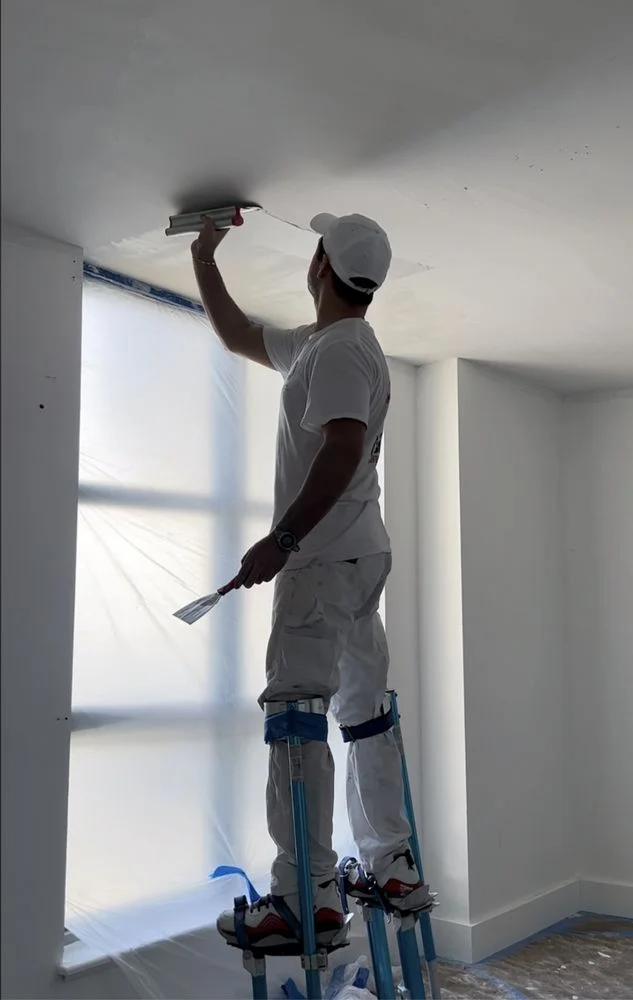
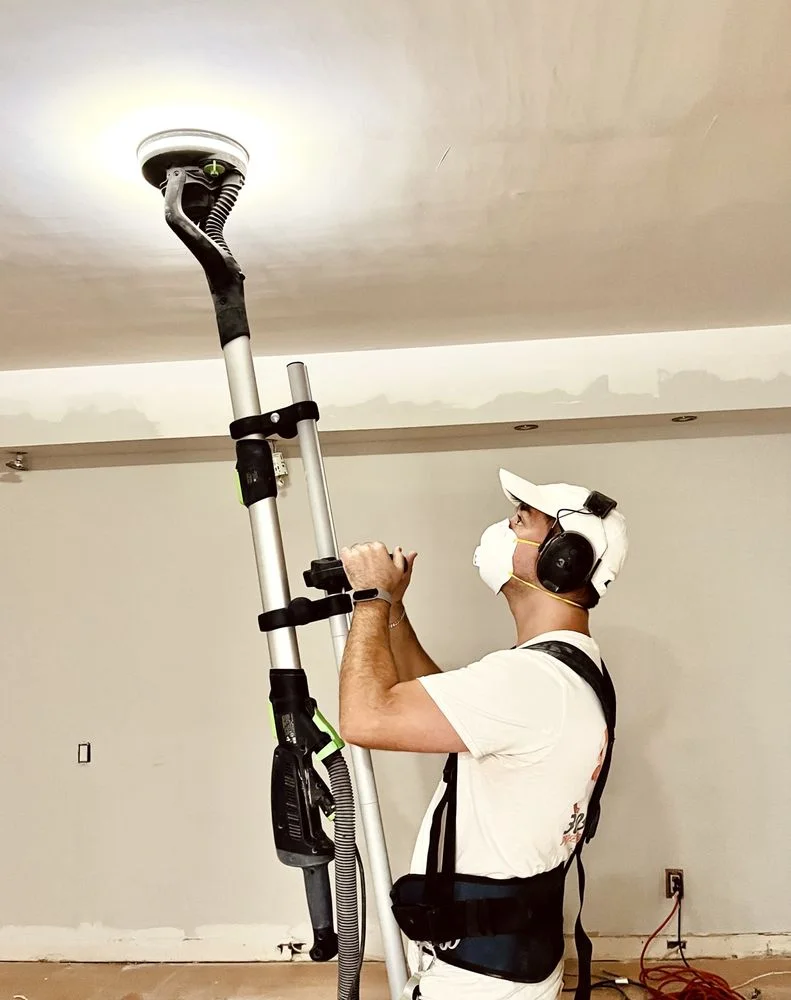
Both murals and wallpaper need a good wall. Wallpaper usually performs worse on textured, damaged, glossy, or uneven surfaces. Murals may also suffer if the wall is not properly prepared.
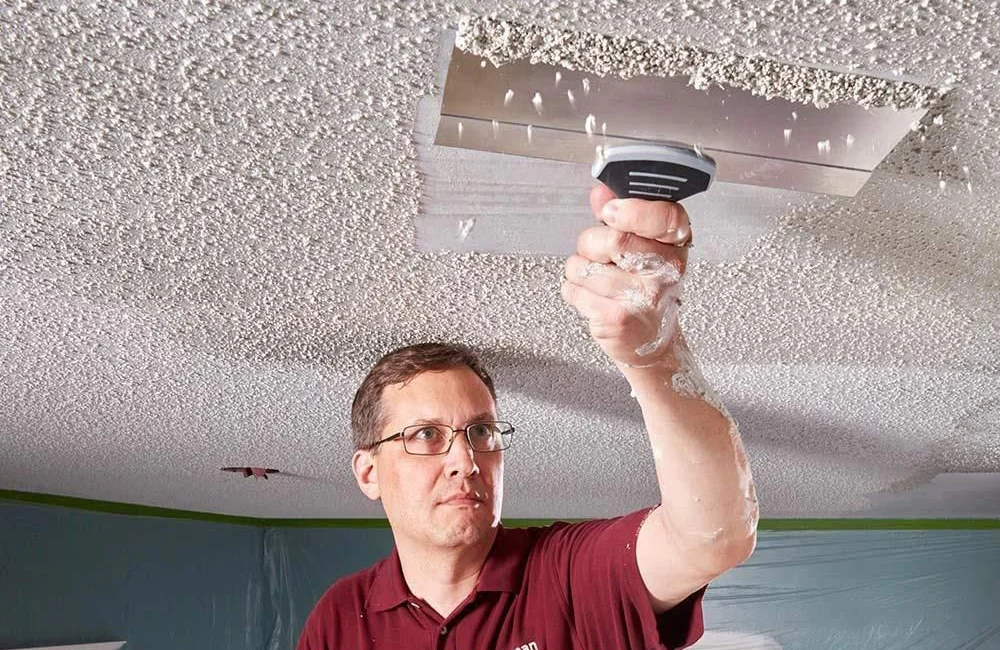
If the wall is rough enough, skim coating and plastering may need to happen first.
Seam Visibility and Alignment Issues
Wallpaper installation depends heavily on seam accuracy. Repeating patterns increase alignment pressure and can increase waste.
Murals avoid some of that repetition issue, but custom mural work has its own demands around scale, composition, and placement.
Time Required for Installation
Wallpaper is often faster when the wall is in good condition and the product is straightforward.
Murals can take longer because custom work, artistic detail, and more specialized prep usually slow the process down.
Design Flexibility and Customization
Murals as One-of-a-Kind Feature Walls
This is the mural advantage.
A mural can be designed for one exact wall, one exact room, and one exact purpose. That gives it more originality and stronger personality.
Wallpaper Pattern Repetition and Variety
This is the wallpaper advantage.
Wallpaper gives you wide design variety and stronger repeat consistency. It can be easier to coordinate with other rooms, furnishings, and broader decorating plans.
Matching Interior Style and Room Function
A mural is often better when the room needs one strong focal point.
Wallpaper is often better when the room needs pattern, texture, or a decorative backdrop that supports the rest of the design.
When Custom Design Matters Most
Custom design matters most when the wall is meant to feel personal, artistic, branded, or highly intentional.
That is where a mural often earns its higher cost.
Which Is Better for Your Space
Best Choice for Living Rooms
Choose a mural when the living room needs one strong focal wall.
Choose wallpaper when the goal is decorative texture or pattern without making the whole room about one custom image.
Best Choice for Bedrooms
Choose a mural when you want mood, storytelling, or a wall with stronger personality.
Choose wallpaper when you want a softer decorative finish that is easier to coordinate with bedding and future décor changes.
Best Choice for Nurseries and Kids’ Rooms
A custom mural often wins here because the design can be built around the child, the theme, or the exact wall.
Wallpaper can still work well, especially if you want a more flexible or easier-to-replace decorative solution later.
Best Choice for Offices and Commercial Spaces
A mural often wins when brand identity, social-media appeal, or visual impact matter.
Wallpaper often wins when the space needs a polished finish with more pattern consistency and easier scaling across multiple rooms.
Best Choice for Rental Properties
Wallpaper usually has the advantage when lower upfront cost, easier replacement planning, or removable options matter.
A highly custom mural is usually a better fit for owner-occupied or brand-led spaces than standard rentals.
When to Choose a Custom Mural
You Want a Unique Statement Wall
Choose a mural when the wall is supposed to feel memorable, one-of-a-kind, and highly expressive.
You Want the Design to Fit a Specific Wall Exactly
Murals work well when the wall size, room layout, or visual concept needs to be customized rather than repeated.
You Want a Premium Look With Strong Visual Identity
A mural is often the stronger choice when the room needs more identity and more visual presence.
You Are Designing for Brand Impact or Social Media Appeal
Murals are often especially effective in spaces where the wall needs to stand out in photos, reinforce branding, or become part of the experience of the room.
If that is the goal, see our custom murals page.
When to Choose Wallpaper
You Want Lower Upfront Cost
Wallpaper usually makes more sense when cost control is one of the main priorities.
You Want Easier Pattern Consistency
Wallpaper is usually better when you want repeat design, cleaner consistency, and a more standardized decorative finish.
You Want More Practical Replacement Options
Wallpaper often gives you a more familiar replacement path later, especially when the room design may change over time.
You Want a Faster, More Familiar Installation Process
Wallpaper usually fits better when you want a decorative wall with a more established installation method and more predictable product options.
If that is the better fit, explore wallpaper installation.
Common Mistakes to Avoid
Choosing Based on Looks Only
A finish can look great in a photo and still be the wrong choice for the room. Cost, maintenance, wall condition, and future changes all matter.
Ignoring Wall Condition
A poor wall can weaken both options. Bad prep usually leads to disappointing results no matter which finish you choose.
Underestimating Install Complexity
Pattern alignment, seam control, scale, and surface prep are real factors. They are not small details.
Forgetting Future Removal or Replacement
Some homeowners focus only on the install day and forget to think about what happens when they want to change the wall later.
Misjudging Lighting and Room Scale
A mural that is too small or wallpaper that feels too busy can throw off the whole room. Scale matters as much as style.
Final Recommendation
Choose Mural if You Want Impact and Customization
A custom mural is usually the better choice when you want the wall to feel unique, highly personal, or strongly branded.
Choose Wallpaper if You Want Flexibility and Easier Scaling
Wallpaper is usually the better choice when you want pattern, decorative consistency, easier repeatability, and more practical replacement options.
Choose Based on Room, Budget, and Longevity Goals
That is the real answer.
The better finish is the one that matches the room, the wall condition, the budget, and the length of time you want the design to stay in place.
Frequently Asked Questions
Is a custom mural more expensive than wallpaper?
Usually, yes. Wallpaper is often cheaper upfront, while murals usually cost more because of custom design and more specialized labor.
Which lasts longer, a mural or wallpaper?
Either can last well in the right room. The better choice depends on wall prep, room use, and how the surface will be maintained.
Can wallpaper be used as a feature wall?
Yes. Wallpaper is one of the most common ways to create a feature wall, especially when you want pattern, texture, or lower upfront cost.
Is a painted mural better than wallpaper?
Not in every case. A painted mural is better when uniqueness and custom impact matter most. Wallpaper is better when pattern consistency, easier scaling, and more practical replacement matter more.
Which is easier to remove?
Wallpaper is often more predictable to replace, though removal can still take work. A mural is usually changed by repainting over it or redesigning the wall.
Which is better for rentals?
Wallpaper usually has the advantage, especially when removable options are part of the plan.
Which gives a more luxury look?
A mural often feels more luxury-forward when the design is custom and integrated into the room. Wallpaper can also look high-end, but it usually feels more product-based than fully custom.
Need Help With Wall Prep or Finishing?
A feature wall only looks as good as the surface under it. If the wall needs smoothing before wallpaper or mural work begins, start with skim coating and plastering. If a cleaner painted finish is the better answer for the room, review interior painting. If the wall is meant to become a true one-of-a-kind focal point, see our custom murals page.