
How Long Does Interior Painting Take?
If you are asking how long does interior painting take, the short answer is this: a small room may take a few hours to a day, an average home interior often takes 2 to 5 days, and a larger home or more detailed project can take longer.
That is the quick answer, but the real timeline depends on the size of the space, how much prep is needed, how many coats are required, how much trim or detail work is included, and how well the room dries between steps.
In South Florida, indoor humidity and airflow can also affect dry time. That is one reason two rooms of similar size do not always move at the same speed.
This guide explains the full interior painting timeline, shows how many days to paint a house interior, and helps you understand what usually slows the project down or helps it move faster.
How Long Does Interior Painting Usually Take?
For most homes, the timeline looks like this:
- a small bedroom may take 4 to 8 hours
- a standard bedroom often takes 1 day
- 2 to 3 rooms often take 1 to 2 days
- an average home interior often takes 2 to 5 days
- a large home interior may take 5 to 7+ days
These are planning timelines, not fixed guarantees. A clean, empty room with smooth walls moves faster than an occupied home with furniture, patching, ceiling work, strong color changes, and heavier trim detail.
That is why interior painting timelines vary so much, even when two homes look similar at first glance.
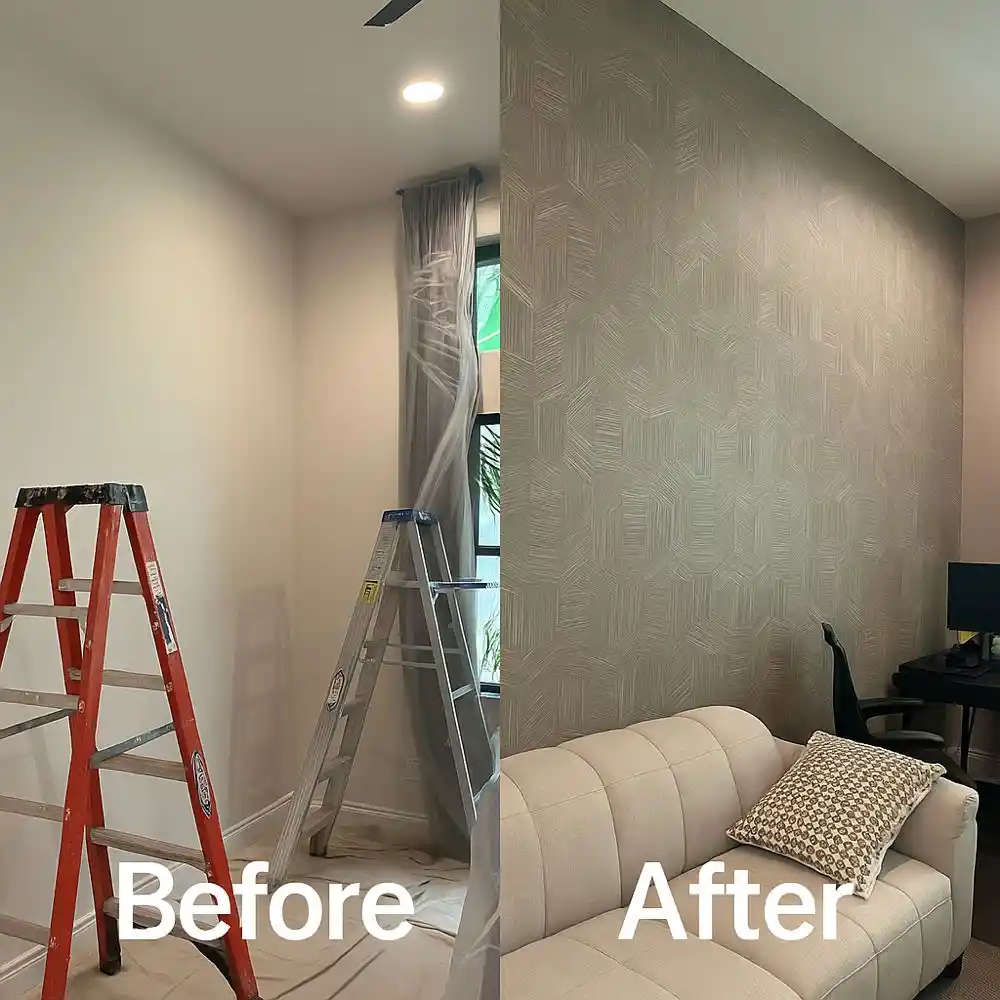
Interior Painting Timeline at a Glance
| Project Type | Typical Time |
|---|---|
| Small bedroom | 4–8 hours |
| Standard bedroom | 1 day |
| 2–3 rooms | 1–2 days |
| Average home interior | 2–5 days |
| Large home interior | 5–7+ days |
This is the fastest way to estimate the project.
It works well for early planning, but the final schedule still depends on prep, drying time, and crew size.
How Many Days Does It Take to Paint a House Interior?
This is the larger version of the same question, and it is usually where homeowners need more detail.
| Project Size | Typical Timeline |
|---|---|
| One room | 4–8 hours |
| Two rooms | 1–2 days |
| Three to four rooms | 2–3 days |
| 1,500 sq ft home | 2–4 days |
| 2,000 sq ft home | 3–5 days |
| 3,000+ sq ft home | 5–7+ days |
Crew size matters here. A larger, organized crew can compress the schedule, while a smaller crew or solo painter may stretch the same project across more days.
The scope also matters. A walls-only repaint is faster than a project that includes ceilings, trim, doors, patching, and stronger color changes. If the job includes more prep or more surfaces, the timeline expands even when the home size stays the same.
If you are planning around budget at the same time, compare this with the interior painting cost guide.
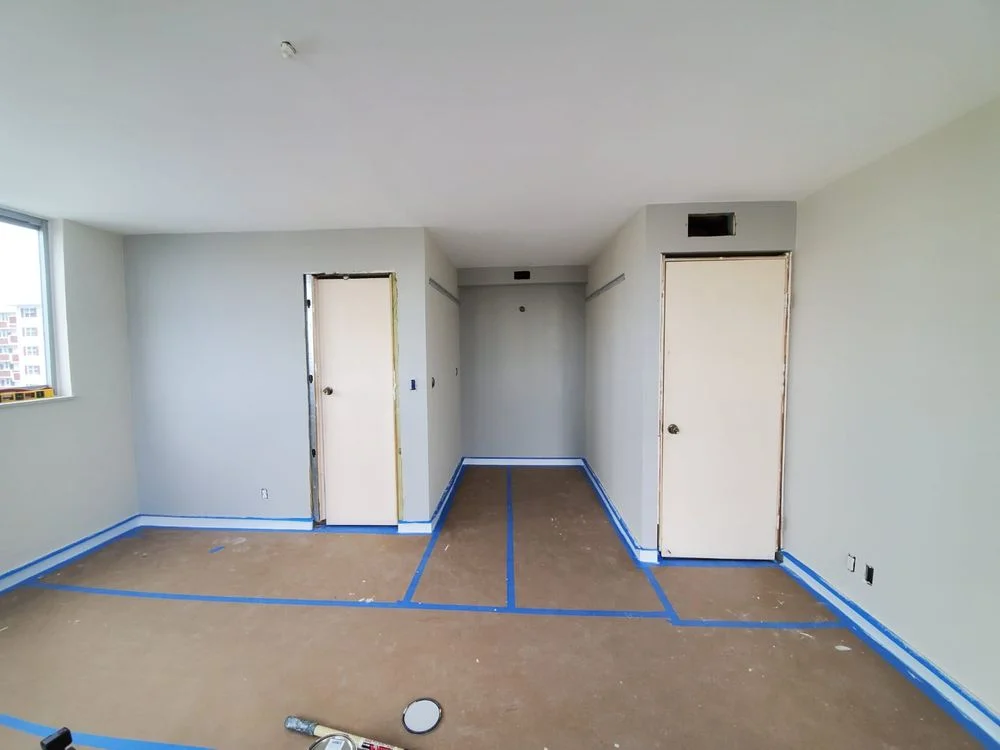
Example Interior Painting Timeline for a Whole Home
A lot of homeowners want more than a total-day estimate. They want to know what actually happens from day to day.
A simple whole-home example might look like this:
Day 1: Protect furniture, cover floors, patch holes, sand rough areas, caulk gaps, and prep the surfaces.
Day 2: Prime where needed and paint the main living spaces.
Day 3: Paint bedrooms, ceilings, and trim.
Day 4: Apply second coats, complete touch-ups, and begin cleanup.
Day 5: Final inspection and finishing details on larger homes.
This is not the only possible sequence, but it is a realistic planning model. Smaller homes may move faster. More complex homes may take longer.
The important point is that painting is not just the painting step. Protection, prep, dry time, and cleanup all affect the schedule.
What Affects Interior Painting Time?
This is the section that explains why one painter says two days and another says four.
Room Size and Ceiling Height
Larger rooms take longer because there is more wall area, more edging, and more rolling time. Taller walls also slow things down because ladder work and overhead movement add labor.
Number of Rooms
Painting one room is not the same as painting a whole house. More rooms mean more setup, more transitions, more masking, and more daily cleanup.
Surface Condition and Repairs
Prep is one of the biggest timeline factors. Holes, cracks, nail pops, rough patches, and old repairs all add time before the first coat can go on.
If the wall condition is rough enough, some projects may also need skim coating and plastering before the finish work looks right.
Number of Coats Needed
Some walls cover well in two coats. Others need primer, stain blocking, or extra finish coats because of darker colors, uneven surfaces, or repaired areas.
Trim, Doors, and Detail Work
Trim, doors, crown, baseboards, and cut lines slow the project down. Even when the walls are simple, the finish details can add a lot of time.
Furniture Moving and Protection
Occupied homes always take longer than empty homes. Protecting floors, moving furniture, covering belongings, and keeping rooms usable all add labor.
Drying Time and Ventilation
Paint dries based on conditions, not just the clock. Humidity, airflow, room temperature, and ventilation all affect how quickly one coat is ready for the next.
Crew Size and Experience
A skilled crew usually moves faster than a DIY project or an understaffed job. Experience improves both speed and finish quality because prep, sequencing, and cleanup are handled more efficiently.
How to Speed Up an Interior Painting Project
You cannot remove dry time from the project, but you can reduce avoidable delays.
These steps usually help:
- clear the rooms before the crew arrives
- remove small décor and fragile items in advance
- complete known wall repairs early, when possible
- reduce unnecessary color changes
- keep access to all work areas open
- use a larger crew for bigger projects
- maintain good airflow for drying
That last point matters in South Florida. Humid interiors usually take longer to dry than well-ventilated spaces with strong airflow.
Speeding the project up does not mean rushing the finish. It means removing friction so the crew can stay productive and keep the schedule moving.
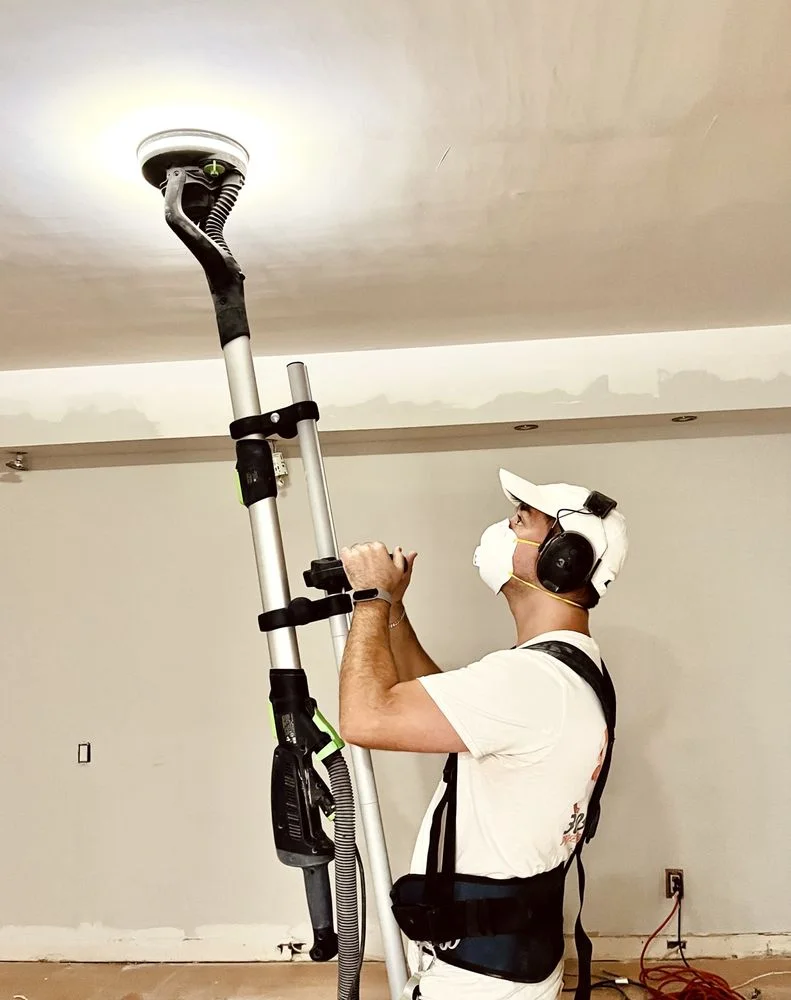
Does DIY Interior Painting Take Longer?
In almost every case, yes.
DIY interior painting usually takes longer because prep and cleanup are often underestimated. Most homeowners also move slower on masking, edging, patching, and room transitions than a professional crew.
Dry time does not get shorter just because the project is DIY. If the room is humid or poorly ventilated, the paint still needs time to dry between coats.
Professional crews usually compress the timeline because they are faster at setup, prep, sequencing, and cleanup. That is one reason the difference between DIY and professional work is not just finish quality. It is also speed.
Does Weather or Humidity Affect Interior Painting Time?
Yes, it does.
Even though the work is indoors, humidity still affects how paint dries and cures. In South Florida, rooms with weaker airflow, limited AC, or moisture-heavy conditions can dry more slowly than homeowners expect.
That is why ventilation matters. Rooms with better airflow usually move faster than rooms that trap moisture.
Bathrooms, kitchens, laundry areas, and older condos with weaker ventilation often take longer than standard bedrooms or living rooms. So yes, weather and indoor humidity can affect the timeline, even when the project is inside the house.
Frequently Asked Questions
How long does interior painting take?
A small room may take a few hours to a day. An average home interior often takes 2 to 5 days, while larger homes or more detailed projects may take longer.
How many days does it take to paint a house interior?
That depends on the size of the home, the prep required, and how many painters are working. Many mid-size homes land in the 2- to 5-day range.
How long does it take to paint one room?
A small room may take 4 to 8 hours, while a standard bedroom often takes about 1 day. That assumes normal prep and a straightforward scope.
What slows down an interior painting project?
The biggest delays usually come from wall repairs, extra coats, heavy trim work, furniture moving, and slower dry times caused by humidity or poor airflow.
Can interior painting be finished in one day?
Yes, smaller rooms and simpler scopes can often be finished in one day. Whole-home projects usually take longer.
How can I speed up interior painting?
Clear the rooms early, reduce color changes, make access easy, and keep airflow strong so the paint can dry more efficiently.
Does DIY take longer than professional painting?
Usually, yes. DIY projects almost always take longer because prep, edging, and cleanup are slower and more labor-intensive for most homeowners.
Does humidity affect painting time?
Yes. Humidity can slow paint drying, which can stretch the project timeline.
Need a Fast Interior Painting Estimate?
If you are trying to plan the timeline for your home, Okie Buddy is ready to help. We are based in Hallandale Beach and serve the wider South Florida area, including Hallandale Beach, Fort Lauderdale, Pembroke Pines, and Miramar.
You can learn more on our interior painting page or compare the numbers with the interior painting cost guide. Timelines always depend on scope, prep, and drying conditions, but a clear estimate makes planning much easier.