
What Is Lime Wash Paint?
Lime wash paint is a mineral-based decorative finish made from lime, water, and natural pigments. It creates a soft, matte, layered look that feels more natural and textured than regular paint.
The main difference is simple. Regular paint usually gives a more even, uniform finish. Limewash creates movement, depth, and variation across the wall.
That is why limewash is usually chosen for style, mood, and surface character rather than for a flat, fully consistent painted look. The final result can change based on the wall surface, the lighting, and the way the finish is applied.
If you are trying to decide whether limewash is the right choice for your walls, this guide will help you understand what it is, how it works, where it works best, and when regular paint may still be the smarter option.
Limewash Paint Explained
What Limewash Paint Is Made Of
Limewash is usually made from lime, water, and pigments. Some modern products may include added binders or compatibility primers, but the finish is still very different from a standard synthetic wall paint.
That matters because limewash is not just another color coating. It is a mineral-based finish with its own look, feel, and surface behavior.
How Limewash Creates Its Look
Limewash creates a soft, cloudy appearance because the finish dries with natural variation. Instead of looking flat and uniform, it creates depth, movement, and a layered effect across the wall.
That visual softness is one of the biggest reasons homeowners choose it. The finish feels more organic and less manufactured than standard interior paint.
Why Limewash Behaves Differently From Regular Paint
Regular paint usually sits on the wall in a more even and predictable way. Limewash behaves differently because it responds more directly to the wall underneath, especially on porous surfaces.
That is why the same limewash color can look slightly different depending on the substrate, the light, and the number of coats. It is also why prep matters so much more than many people expect.
Limewash Painting Technique
How Limewash Is Applied
Limewash is usually applied with a brush, not just rolled like standard paint. The brushwork is part of the finish, not just part of the installation process.
That means technique affects the final result more than it does with regular paint.
Brushwork and Layering
The layered look comes from overlapping brush strokes, drying variation, and multiple coats. Limewash is not meant to hide every visual change. That natural variation is part of the design appeal.
This is one reason the finish feels softer and more textured than a standard painted wall.
Why Technique Changes the Final Finish
With limewash, technique changes the wall more visibly. Brush pressure, coat thickness, drying pattern, and wall porosity all influence the look.
That is why limewash should not be treated like a standard paint product. The finish is shaped by both the material and the application method.
Common Application Mistakes
The most common mistakes include:
- poor surface prep
- using limewash on the wrong substrate
- expecting a perfectly flat painted look
- using it where a highly washable finish is needed
- skipping surface testing before full application
If the wall is rough, damaged, or uneven, smoothing it first may be necessary. That is where skim coating and plastering can become an important part of the project.
Benefits of Lime Wash Paint
Aesthetic Depth and Texture
The biggest benefit of limewash is visual. It creates softness, movement, and surface character that regular paint usually does not. That makes it a strong choice for design-first interiors, feature walls, and rooms where the finish itself is part of the atmosphere.
Breathability and Moisture Management
Limewash is often chosen because it is more breathable than many standard coatings. On the right wall system, that can be an advantage because the finish feels more natural and less sealed-in. That does not mean it belongs in every room. It means it can be a better fit on compatible surfaces where breathability matters.
Natural, Mineral-Based Appeal
Homeowners often choose limewash because they want a more natural-looking finish. It fits well in interiors that lean Mediterranean, organic, traditional, rustic, or softly modern. If the goal is warmth and texture instead of perfect uniformity, limewash usually has more character than standard paint.
Timeless Look for Interior Design
Limewash often works best in rooms where the wall finish helps define the mood. It can make a room feel quieter, more refined, and more architectural without depending on a bold color alone. That is one reason it works so well on feature walls, bedrooms, living rooms, and decorative spaces.
Lime Wash vs Regular Paint
Finish and Appearance
Regular paint usually gives you a cleaner, flatter, and more consistent finish. Limewash gives you a softer, more layered, and more textured finish. If you want a uniform wall color, regular paint is usually the better fit. If you want depth and movement, limewash usually has the advantage.
Durability and Maintenance
Regular paint is usually easier to clean and easier to touch up. Limewash can last well in the right setting, but it is usually less forgiving when the wall needs frequent washing or exact patching. So if easy maintenance is the priority, paint usually wins.
Breathability and Wall Compatibility
Limewash tends to work best on porous surfaces and wall systems that suit a breathable finish. Regular paint is broader in its compatibility and often easier to use on more standard interior surfaces. This is one reason surface evaluation matters before the decision is made.
Color Consistency and Touch-Ups
Paint is easier to match later. Limewash is more variable by nature, so exact touch-ups are harder to blend perfectly. That is not a flaw in the finish. It is part of the tradeoff that comes with a more natural, decorative surface
Cost and Labor Considerations
Regular paint is usually easier to price, easier to apply, and easier to maintain. Limewash, on the other hand, often requires more attention to finish details, better surface preparation, and a willingness to embrace its natural variation and texture. If budget is a major concern, it’s helpful to compare this decision with the interior painting cost guide to understand overall expenses and make a more informed choice.
Lime Wash vs Regular Paint
Finish and Appearance
Regular paint usually gives you a cleaner, flatter, and more consistent finish. Limewash gives you a softer, more layered, and more textured finish.
If you want a uniform wall color, regular paint is usually the better fit. If you want depth and movement, limewash usually has the advantage.
Durability and Maintenance
Regular paint is usually easier to clean and easier to touch up. Limewash can last well in the right setting, but it is usually less forgiving when the wall needs frequent washing or exact patching.
So if easy maintenance is the priority, paint usually wins.
Breathability and Wall Compatibility
Limewash tends to work best on porous surfaces and wall systems that suit a breathable finish. Regular paint is broader in its compatibility and often easier to use on more standard interior surfaces.
This is one reason surface evaluation matters before the decision is made.
Color Consistency and Touch-Ups
Paint is easier to match later. Limewash is more variable by nature, so exact touch-ups are harder to blend perfectly.
That is not a flaw in the finish. It is part of the tradeoff that comes with a more natural, decorative surface.
Cost and Labor Considerations
Regular paint is usually easier to price, easier to apply, and easier to maintain. Limewash often takes more finish awareness, more prep discipline, and more acceptance of natural variation.
If budget is a major concern, it helps to compare this decision with the interior painting cost guide.
Applying Lime Wash to Walls
Best Surfaces for Limewash
Limewash usually works best on porous surfaces such as:
- plaster
- brick
- stone
- masonry
- mineral-based wall systems
These surfaces allow the finish to behave the way limewash is meant to behave.
Surfaces That Need Extra Prep
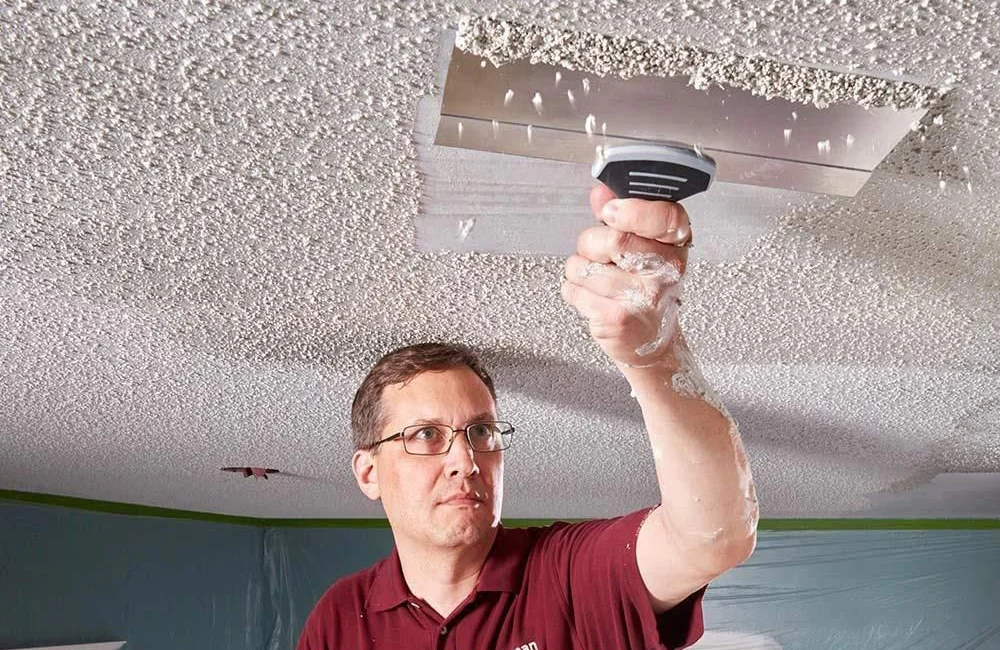
Drywall can work, but it usually needs the right primer or prep system first. Glossy surfaces, damaged paint, and uneven walls may also need extra preparation before limewash makes sense.
That is why the wall condition matters as much as the product choice.
Surface Testing Before Full Application
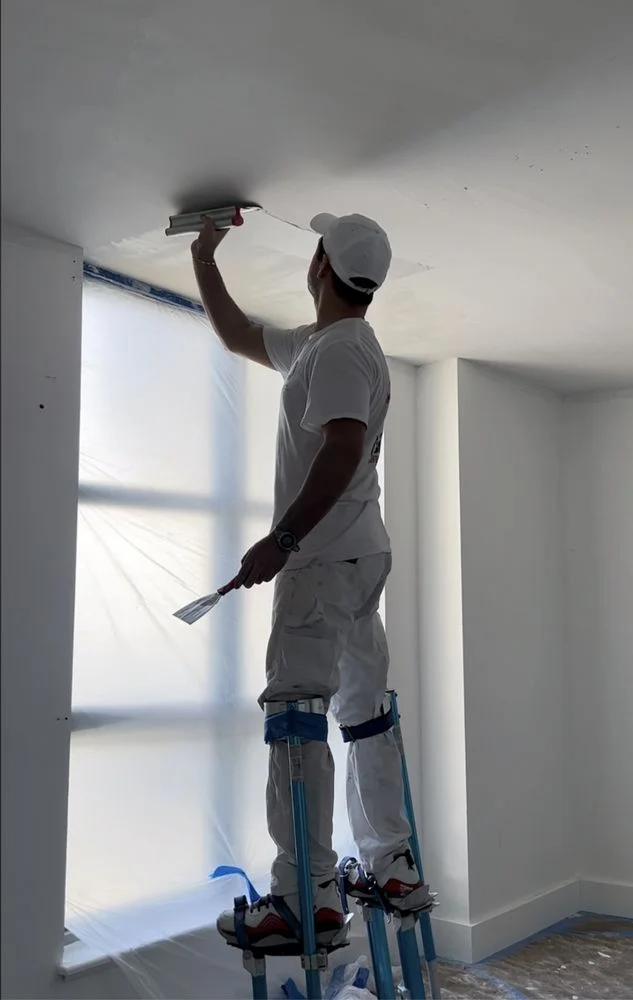
A test section is one of the smartest steps in any limewash project. The finish can look different depending on the wall, the room, and the light.
Testing first helps you avoid surprises and gives you a better idea of how the final finish will actually behave.
Step-by-Step Application Process
A typical limewash process looks like this:
- inspect the wall
- prep the surface
- apply primer if needed
- brush on the first coat
- let it dry fully
- apply additional coats if needed
- review the result in different lighting
This is one reason homeowners often treat limewash as a specialty finish rather than a standard repaint.
Drying Time and Recoating
Limewash does not always show its final look immediately. The finish continues to develop as it dries, and additional coats often deepen the effect.
That is why patience matters. The wall may look different once the coat settles fully.
Where Limewash Works Best
Plaster Walls
Plaster is one of the strongest surfaces for limewash because it gives the finish a more natural bond and a more authentic look.
Brick Surfaces
Brick works well because it already has natural variation and porosity. Limewash often enhances that instead of trying to hide it.
Stone and Masonry
Stone and masonry also pair well with limewash for the same reason. These surfaces support the finish rather than fighting it.
Interior Feature Walls
Feature walls are one of the best uses for limewash because the finish is allowed to stand out and create mood.
Period Homes and Decorative Spaces
Limewash often works especially well in older homes, Mediterranean-style interiors, and decorative rooms where the finish is part of the overall character of the space.
If that is your goal, you may also want to review lime wash painting as a service option.
When Limewash Is Not the Right Choice
High-Traffic Walls
High-use walls are often better served by a more washable finish. If the space gets bumped, touched, or cleaned often, regular paint is usually more practical.
Scrub-Resistant Areas
If easy wiping and repeated washing matter, limewash is usually not the best choice. It is a finish chosen for appearance first, not for maximum scrub resistance.
Non-Porous or Poorly Prepared Surfaces
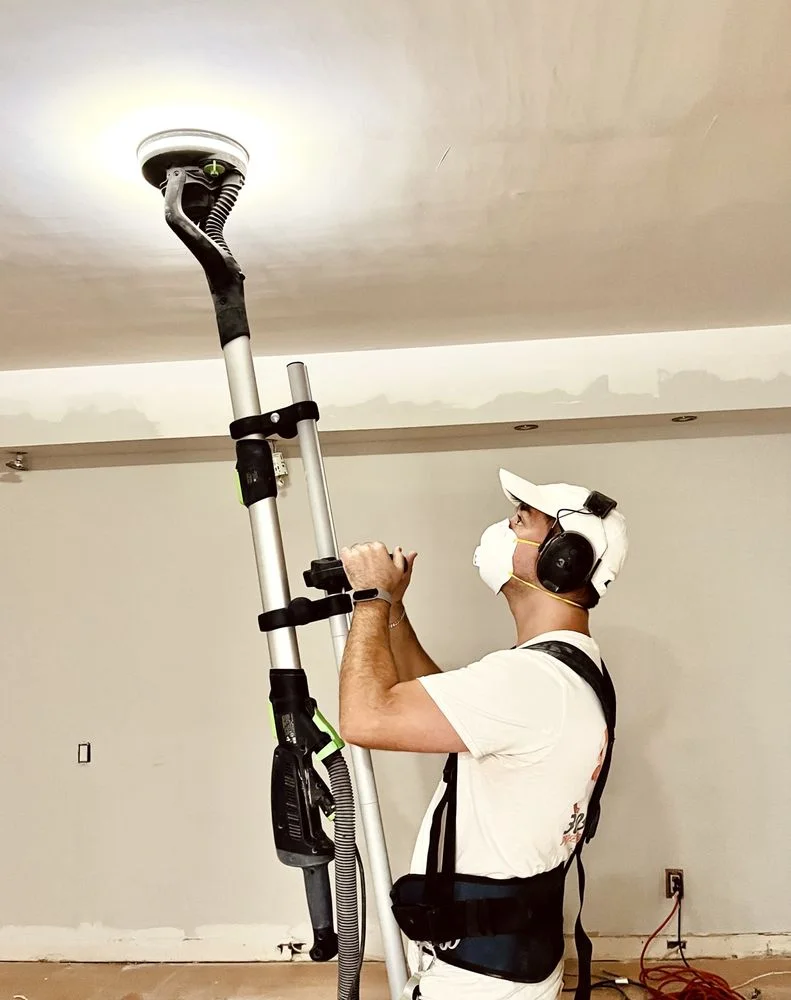
Limewash is a poor fit when the surface is not compatible or when the prep is weak. Poor prep usually leads to disappointing results, not better texture.
Bathrooms and Moisture-Prone Zones
Some bathrooms can work, but this needs caution. Humid rooms and splash-prone areas are not always ideal because limewash is not usually the most washable finish.
If moisture resistance and easy cleaning matter most, regular paint often makes more sense.
When Exact Color Matching Matters
If you want the wall to look perfectly even and easy to patch later, limewash is usually not the right finish.
That kind of expectation fits regular paint better.
How to Choose the Right Limewash
Natural Limewash vs Modern Limewash Products
Some products stay closer to traditional limewash. Others are adjusted to be easier to use or more compatible with modern surfaces.
That difference affects how the finish behaves and where it works best.
Pigments and Color Behavior
Limewash color usually looks softer and more varied than standard paint. That is part of the finish, not a defect.
If you want soft movement in the color, that is a benefit. If you want total consistency, it may be a drawback.
Primer and Substrate Compatibility
This is one of the most important parts of the decision. The right primer can make drywall and other prepared surfaces more compatible. The wrong prep can lead to adhesion issues or a disappointing finish.
Coverage and Number of Coats
Do not assume one coat gives the final effect. Limewash often builds its look over multiple coats and drying cycles.
Safety and Ventilation Considerations
As with any finish system, ventilation, prep, and product handling matter. Clean application conditions usually lead to a better final result.
Care, Maintenance, and Longevity
How Limewash Ages Over Time
One reason some homeowners love limewash is that it ages with character. Instead of staying flat and identical year after year, it can soften and develop more surface personality over time.
Cleaning Limitations
This is one of the biggest tradeoffs. Limewash is usually not the best choice when frequent scrubbing is part of normal wall care.
Touch-Ups and Patching
Touch-ups are harder because the finish is naturally varied. A patched section may not blend as easily as standard paint.
Repainting Over Limewash Later
Yes, you can repaint later, but the result still depends on proper prep and the condition of the original finish.
Should You Use Limewash Paint?
Best for Design-First Spaces
Use limewash when the wall finish is part of the room design, not just a background color.
Best for Breathable Wall Systems
It makes the most sense on compatible porous surfaces where the finish can behave the way it is supposed to.
Best for Homeowners Who Want Texture and Softness
If your priority is mood, texture, softness, and natural movement, limewash is often a strong choice.
Not Best for Low-Maintenance or Highly Washable Walls
If your priority is easy cleaning, exact touch-ups, or a fully uniform finish, regular paint is usually the better option.
So the short answer is this: limewash is best for homeowners who want texture, softness, and decorative depth more than maximum washability and full color consistency.
Frequently Asked Questions
Is limewash paint the same as whitewash?
No. They are related, but they are not the same finish. Limewash is usually discussed as a more decorative wall finish, while whitewash is often lighter and simpler in appearance.
Can you apply limewash on drywall?
Yes, but drywall usually needs the right primer or prep first. It is not usually the most direct limewash surface without preparation.
Is limewash durable?
It can last well in the right setting, but it is usually less scrub-resistant than regular paint.
Can you paint over limewash later?
Yes. With proper prep, limewashed walls can be repainted later.
Is limewash suitable for bathrooms?
Sometimes, but it depends on the room conditions. Humid rooms and splash-prone areas usually need more caution.
Why does limewash look different when dry?
Because absorption, drying variation, and layering are part of the finish.
How many coats does limewash need?
That depends on the surface and the final look you want, but more than one coat is often part of the process.
Need Help Choosing the Right Wall Finish?
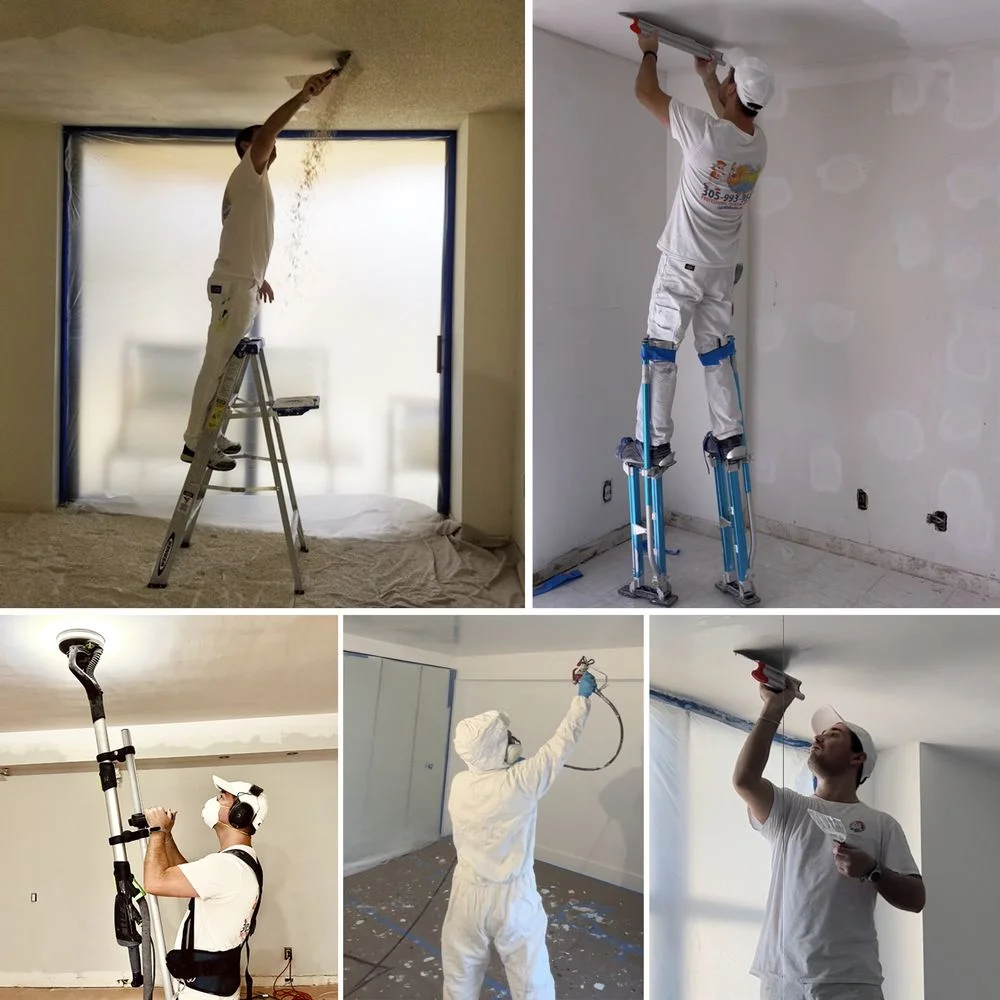
If you are comparing finishes for a real room, the smartest next step is matching the finish to the wall condition and the result you want. You can explore our lime wash painting service, compare smoother wall prep options through skim coating and plastering, or review interior painting if a more uniform finish is the better fit.