How to Choose a Painting Contractor
Hiring the right painter is not about finding the lowest price first. It is about finding a contractor who is properly licensed, properly insured, clear in writing, consistent in communication, and experienced with the kind of work you actually need.
That matters even more in South Florida. Homes, condos, townhomes, and commercial spaces in places like Hallandale Beach, Fort Lauderdale, Pembroke Pines, and Miramar often need better prep, more moisture awareness, and clearer scheduling than a basic paint job in a milder market.
This guide explains how to choose a painting contractor, what to ask before hiring, how to compare estimates fairly, and what warning signs to catch before you commit.
How Do You Choose a Painting Contractor?
The short answer is simple.
Choose a painting contractor based on:
- license verification
- proof of insurance
- a clear written estimate
- recent references
- strong communication
- proven experience with your project type
A good contractor should make the process easier to understand, not harder. If the estimate is vague, the prep is unclear, or the answers feel slippery, that is already useful information.
What to Look for in a Painting Company
This is the fastest way to screen a painter before you go any further:
- valid license where required
- proof of insurance
- clear written estimate
- recent local references
- strong communication
- detailed scope of work
- experience with your project type
That list sounds basic, but it filters out a lot of bad hires.
A contractor does not need a flashy pitch. What matters is whether they can explain the work clearly, define the prep, describe the materials, and show that they have handled jobs like yours before.
If they cannot explain what they are doing, they are not ready to earn your trust.
Get at Least 3 Painting Estimates
One of the smartest things you can do is compare at least three estimates.
That does not mean collecting three prices and choosing the lowest one. It means giving each contractor the same project scope and comparing how they inspect the job, explain the prep, define the materials, and outline the schedule.
A fair comparison starts with the same information:
- the same rooms or surfaces
- the same expectations
- the same questions
- the same finish goals
Then pay attention to how each contractor handles the estimate.
The better contractor usually shows it in the details. They measure carefully, ask better questions, explain prep clearly, and describe what is included without sounding vague or rushed.
Price matters, but price without scope is not a real comparison.
How to Check Painting Contractor Licenses in Florida
If you are hiring in Florida, license verification should be part of your normal process.
Ask the contractor for:
- the full business name
- license or registration details
- the name that should appear on the estimate
- the legal business identity they operate under
Then verify that the estimate matches the business you were told you are hiring.
This matters because a polished quote is not the same thing as a verifiable company. If the contractor becomes uncomfortable when you ask for basic business details, that is a problem.
You should also confirm whether the job involves any local requirements that affect how the work is performed. In some cases, the type of property, building rules, or project scope may affect what needs to be documented.
A legitimate contractor should not act like verification is an unreasonable question. Clear business information is part of professional trust.
Why Insurance and Credentials Matter
Insurance matters because it protects you from unnecessary risk.
At a minimum, ask about:
- general liability insurance
- workers’ compensation
- who will actually be on site
- whether the painters are employees or subcontractors
Those questions matter because the sales conversation and the actual job site are not always the same thing.
A company may sound polished during the estimate, but you still need to know who is doing the work and what protection is in place if something goes wrong. You also want to know whether the contractor understands the products, prep methods, and project type you need.
Credentials help, but only when they are backed by real scope knowledge.
A contractor who can explain prep, coatings, repairs, cleanup, and timeline is worth listening to. A contractor who only repeats sales language is not giving you enough to work with.
Questions to Ask a Painting Contractor
These are the most useful questions to ask before hiring:
- Are you licensed and insured?
- What is included in the estimate?
- Who will do the work?
- Are your painters employees or subcontractors?
- What prep work is included?
- How many coats and what paint brand do you use?
- How long will the project take?
- How do you handle cleanup and damage?
- Can I see recent references?
- What happens if the job changes after work begins?
These questions matter because they force clarity.
For example, asking about prep usually tells you more than asking why one estimate is higher than another. A contractor who explains patching, sanding, caulking, masking, priming, and final cleanup usually understands the real work better than one who just says the walls will be ready.
The same is true for materials. If the contractor cannot explain how many coats are included, what product line is being used, or why they chose that system, the estimate is incomplete.
If you are comparing scope with actual project types, it also helps to look at interior painting and exterior painting so you know what a properly described project should include.
Red Flags to Watch for When Hiring a Painter
This section saves people a lot of money and frustration.
Common warning signs include:
- no written estimate
- vague scope of work
- unusually low pricing with little explanation
- pressure to sign right away
- no recent references
- poor communication
- no proof of insurance
- reluctance to discuss materials
- no clear start or finish timing
A low price is not always a bargain. Sometimes it is just missing prep, missing materials, or missing accountability.
Poor communication is another major warning sign. If the contractor is hard to pin down before the project starts, that usually does not improve later.
Another red flag is discomfort around direct questions. A trustworthy contractor should be able to explain what is included, what is not included, and how the work will be managed.
If the answers get less clear when your questions get more specific, pay attention.
How to Compare Painting Estimates Fairly
Many homeowners think they are comparing estimates when they are really comparing incomplete summaries.
A fair comparison means checking whether each estimate covers the same scope:
- the same surfaces
- the same prep work
- the same paint quality
- the same number of coats
- the same cleanup expectations
- the same timeline
- the same payment structure
This is where many hiring mistakes happen.
One estimate may include patching, primer, trim, and full cleanup. Another may only include basic wall painting with limited prep. If you compare only the total price, you can make the wrong decision very quickly.
Also look at what is not included.
That may be the most important part of the estimate. If repairs, heavy prep, extra coats, moving furniture, or protection are excluded, the lower price may not stay low for long.
If you want to understand how scope affects pricing, review the interior painting cost guide and exterior painting cost guide.
How to Review References and Past Work
References still matter. So does the portfolio.
Ask for recent jobs, not just old examples the contractor uses every time. Try to review projects that are similar to yours in size, finish expectations, or property type.
A contractor who does strong work on occupied condos may not be the same contractor you want for a prep-heavy older house. The more similar the reference project is to your own, the more useful it becomes.
When reviewing references, ask simple practical questions:
- Did the contractor start close to schedule?
- Did they finish reasonably on time?
- Was communication clear?
- Did the prep look thorough?
- Was cleanup handled well?
- Would you hire them again?
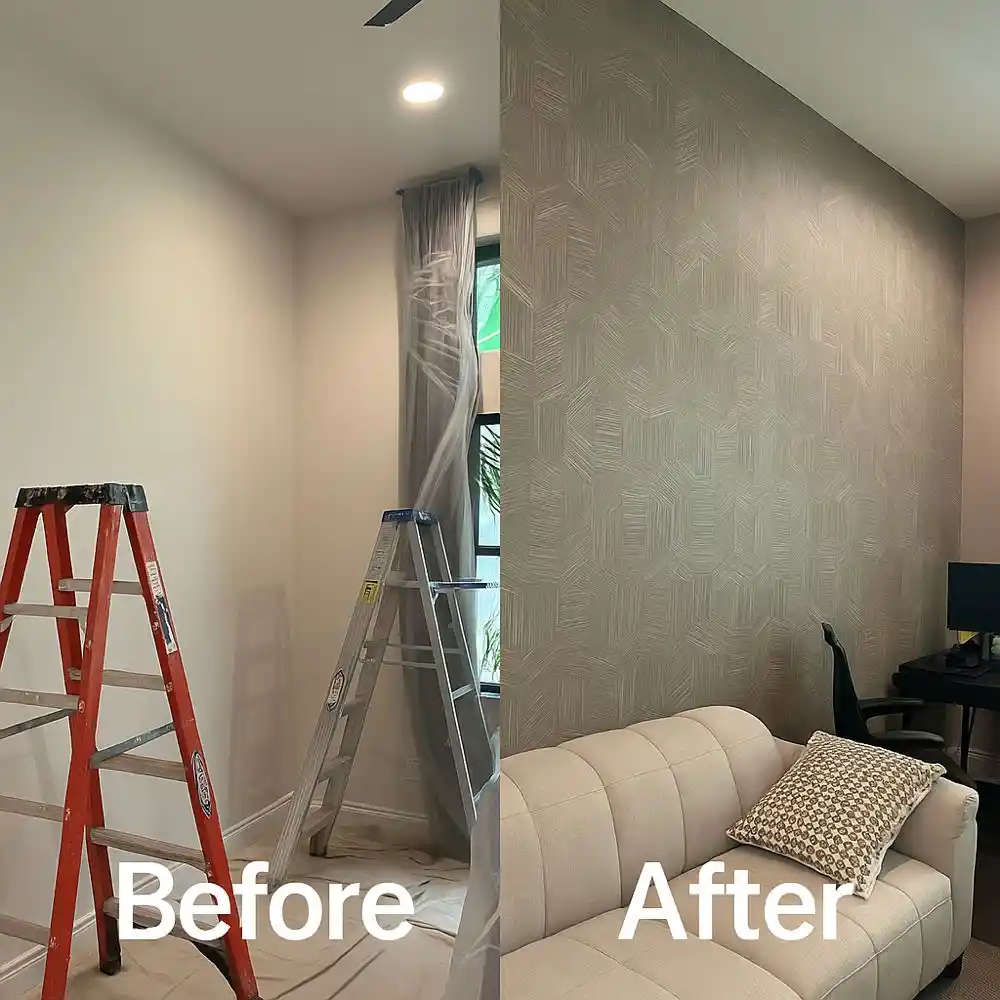
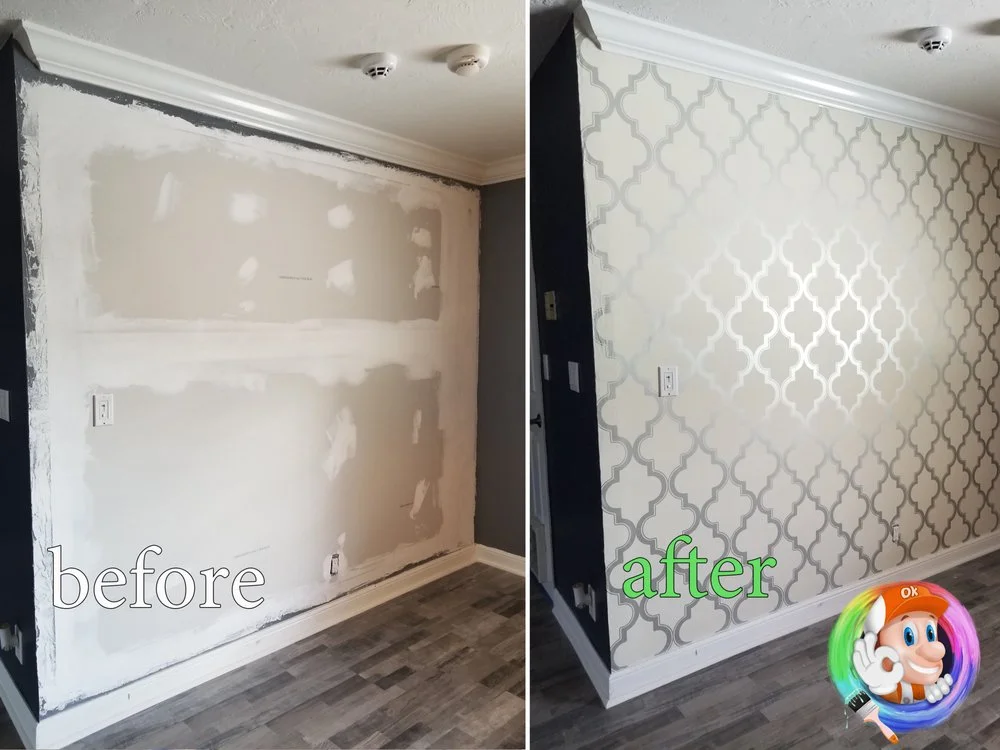
You should also look at photos of real completed work. Before-and-after images are useful when they actually show the scope and finish quality instead of just a nice room with no context.
Final Checklist Before You Hire
Before you say yes, run through this short checklist:
- license confirmed
- insurance confirmed
- written estimate reviewed
- scope matches what you discussed
- references checked
- communication was clear
- timeline understood
- payment terms accepted
This is the final decision filter.
If too many of these boxes are still unchecked, slow the process down. A painting project may look simple from the outside, but the wrong hire can cost far more in rework, stress, and poor results than a careful decision costs now.
Frequently Asked Questions
How do I choose a painting contractor?
Choose a contractor based on license verification, insurance, written estimates, references, communication, and clear scope.
What should I ask a painter before hiring?
Ask whether they are licensed and insured, what is included in the estimate, who will do the work, what prep is included, what paint they use, how long the project will take, and how cleanup is handled.
How many quotes should I get?
At least three is a strong rule. That gives you a better comparison of pricing, prep, materials, and communication style.
How do I check a Florida painting contractor license?
Ask for the business name and license details, then verify that the company identity matches the estimate and is operating properly in Florida.
What should a painting estimate include?
It should clearly describe the scope of work, prep, materials, included surfaces, number of coats, cleanup, timeline, and payment terms.
What are red flags when hiring a painter?
Red flags include no written estimate, vague prep, poor communication, unusually low pricing with little explanation, no references, and no proof of insurance.
Should I hire the cheapest painter?
Not automatically. A low bid can mean missing prep, missing materials, or an incomplete scope.
Do painters need insurance?
Yes. At a minimum, you should ask about general liability insurance and how the job-site labor is structured.
Need a Trusted Painting Contractor in South Florida?
If you want a contractor who is licensed, insured, local, and clear about scope, prep, and communication, Okie Buddy is here to help. We are based in Hallandale Beach and serve the wider South Florida area through our service areas, including Hallandale Beach, Fort Lauderdale, Pembroke Pines, and Miramar.
You can also keep planning through the interior painting cost guide and exterior painting cost guide, or go straight to get a free estimate.